
decorative glass panels
Understanding Leveling in Welding Tables Welding is a critical process in manufacturing and construction, combining various metal components to create a durable, functional structure. One fundamental aspect of successful welding is the use of a leveling welding table. This tool is essential for ensuring precision and accuracy during the welding process. In this article, we’ll explore the importance of leveling in welding tables, the benefits they provide, and the best practices for using them effectively. Importance of Leveling A welding table must be perfectly leveled to facilitate an accurate and efficient welding process. When the table is not level, the workpiece can shift or become distorted, leading to misalignments and poor weld quality. This misalignment can result in significant rework, wasted material, and increased labor costs, ultimately affecting project timelines and budgets. Therefore, a level welding table serves as the foundation for quality welding work. Benefits of a Leveling Welding Table 1. Improved Accuracy A level surface allows for better measurement and alignment of workpieces. When components are positioned correctly, the welder can focus on the quality of the weld rather than correcting positional errors. 2. Enhanced Safety An unlevel table can cause workpieces to slide or fall, increasing the risk of accidents during the welding process. A stable, level table minimizes this risk, ensuring a safer work environment. 3. Increased Efficiency Leveling a welding table at the start of a project can save considerable time and effort. Welders can work faster and with greater confidence when they are assured that their workspace is stable and reliable. 4. Consistency in Quality Regularly using a level welding table leads to consistent welding outcomes. This uniformity is crucial for industries where precision and repeatability are vital, such as automotive and aerospace manufacturing. leveling welding table Best Practices for Leveling a Welding Table To achieve optimal results with a leveling welding table, certain best practices should be observed 1. Regular Calibration Ensure the table remains level by checking its calibration periodically. Over time, vibrations and heavy use can cause the table to lose its levelness. 2. Use a Leveling Instrument Employing a high-quality level, preferably a digital one, can provide accurate readings and help in making necessary adjustments. 3. Adjustable Feet Many professional welding tables come with adjustable feet that can be modified to achieve levelness. Make sure these are regularly checked and adjusted as needed. 4. Surface Maintenance Keep the table surface clean and free from debris. A cluttered surface can obstruct the leveling process and affect the accuracy of measurements and welds. 5. Training Ensure that all operators are trained in how to check and adjust the leveling of the table as part of their standard operating procedures. Conclusion A leveling welding table is a vital tool that directly influences the quality and efficiency of welding operations. By investing time and resources in maintaining a level workspace, welders can enhance their productivity, improve safety, and achieve higher-quality welds consistently. As the welding industry continues to evolve, ensuring that fundamental tools such as leveling tables are well-maintained will remain crucial for successful project outcomes.
about
decorative glass panels
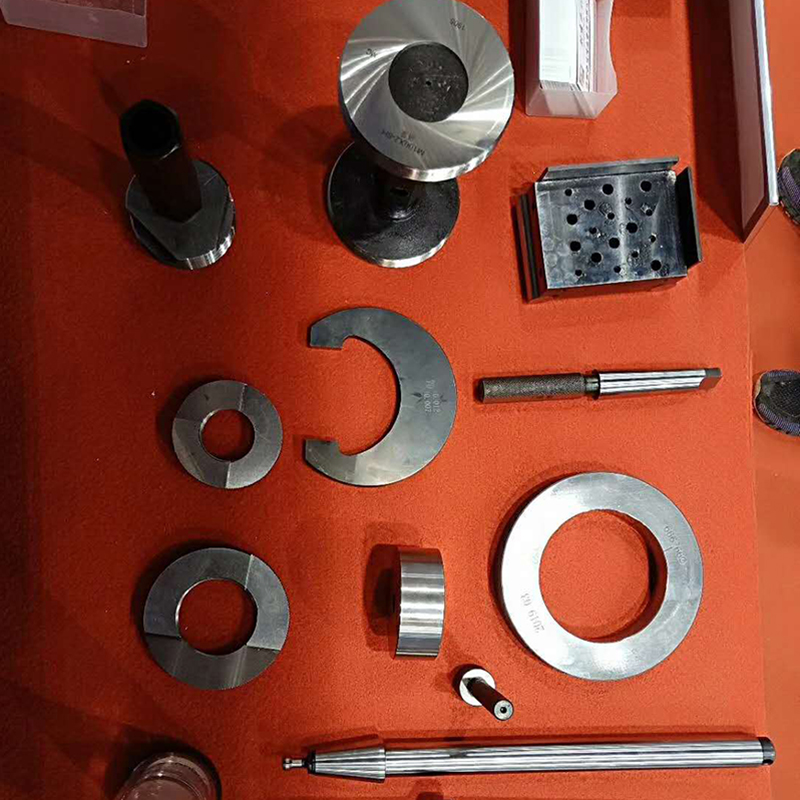
The Importance of Machinist Gauge Pins in Precision Engineering In the realm of precision engineering, the importance of accuracy cannot be overstated. One of the fundamental tools that aid machinists in achieving the utmost precision is the gauge pin. Machinist gauge pins, also known as setting pins or gauge blocks, are cylindrical rods made to precise dimensions that serve as essential instruments in various measurement and alignment tasks. Their applications span a wide range of industries, including manufacturing, automotive, aerospace, and more. Understanding Gauge Pins Gauge pins are typically manufactured from high-quality steel or carbide, ensuring durability and resistance to wear. They come in standardized sizes and are often sold in sets, allowing machinists to select the appropriate pin for their specific needs. The precision of these pins is critical; even a slight deviation in size can lead to significant errors in measurements, which could propagate through the entire manufacturing process. This is why gauge pins are tested and certified to meet strict tolerances, often conforming to standards such as ISO, ASTM, or other relevant engineering specifications. Applications in Precision Engineering One of the primary uses of machinist gauge pins is in the inspection of hole sizes and alignments. For instance, a machinist may use a gauge pin to check the diameter of a drilled hole in a component . By inserting a gauge pin of a specified diameter, they can easily determine whether the hole meets the required specifications. If the pin fits snugly, it indicates the hole is the correct size; if it does not fit, adjustments can be made before moving forward with production. machinist gauge pins Moreover, gauge pins are instrumental in the setup and alignment of machinery. During the alignment of machine parts, machinists can use gauge pins to establish reference points. This practice ensures that components are correctly positioned, which is vital for the operation of CNC machines and other precision equipment. By using pins of known dimensions, machinists can establish accurate measurements, facilitating the overall assembly process. Benefits of Using Gauge Pins The benefits of utilizing machinist gauge pins extend beyond mere accuracy. They contribute to quality control by providing a straightforward method for verifying dimensions throughout the manufacturing process. This, in turn, minimizes the risk of producing defective parts, which can be costly in terms of both time and resources. Additionally, gauge pins are a cost-effective solution for maintaining precision. Once a set of gauge pins is purchased, they can be used repeatedly in various applications, making them a valuable investment for any machining workshop. Their robustness and repeatability ensure that machinists can rely on them for years, reducing the need for frequent replacements. Conclusion In conclusion, machinist gauge pins are indispensable tools in precision engineering. Their role in measurement, alignment, and quality control cannot be overlooked. As the manufacturing industry continues to emphasize precision and quality, the use of gauge pins will remain a cornerstone of effective machining practices. As technology advances and new machinery emerges, the need for rigorous standards and accuracy will only intensify, making machinist gauge pins more relevant than ever in the quest for superior engineering solutions. Whether in industrial settings or smaller workshops, these simple yet profound tools will continue to play a vital role in ensuring that precision engineering meets modern demands.
-

High quality industrial productsagement

High quality industrial products
View Details -

Meet the diverse needs of customers

Meet the diverse needs of customers
View Details -

Strict quality control

Strict quality control
View Details -

Top raw materials

Top raw materials
View Details -

Trusted supplier

Trusted supplier
View Details
Our application


news and information
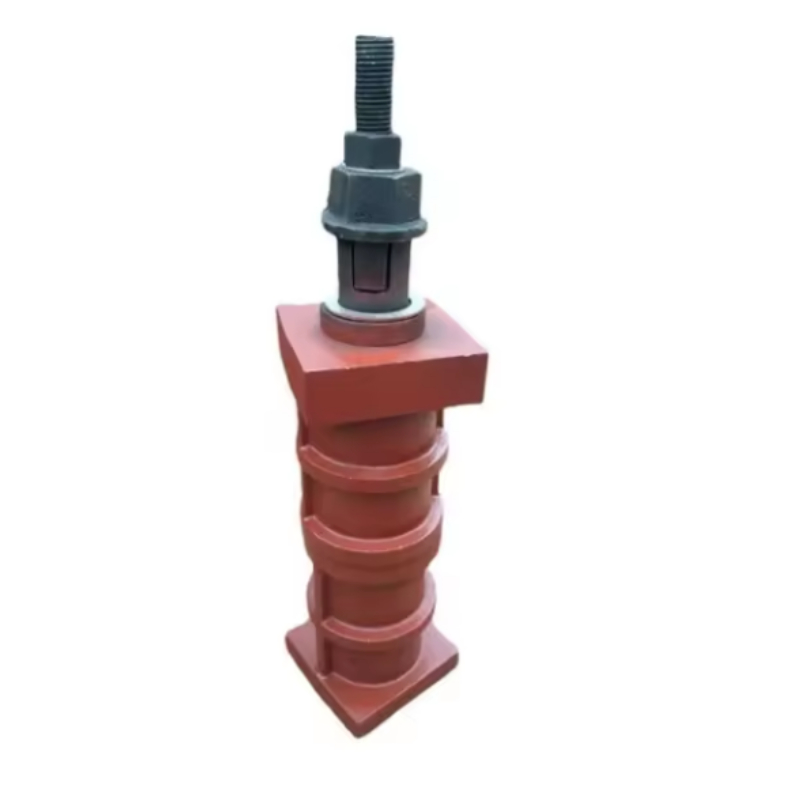
Wooden Nail Plates for Secure and Durable Construction Solutions
The Importance of Nail Plates for Wood Construction When it comes to woodworking and construction, t
Y Type Water Strainer for Efficient Filtration and Flow Management Solutions
Understanding Y-Type Water Strainers A Key Component for Fluid Management Water strainers are critic
Versatile Clamps for Securely Holding Workpieces on Welding Tables
The Essential Guide to Welding Table Clamps Welding is an integral part of various industries, from
 English